
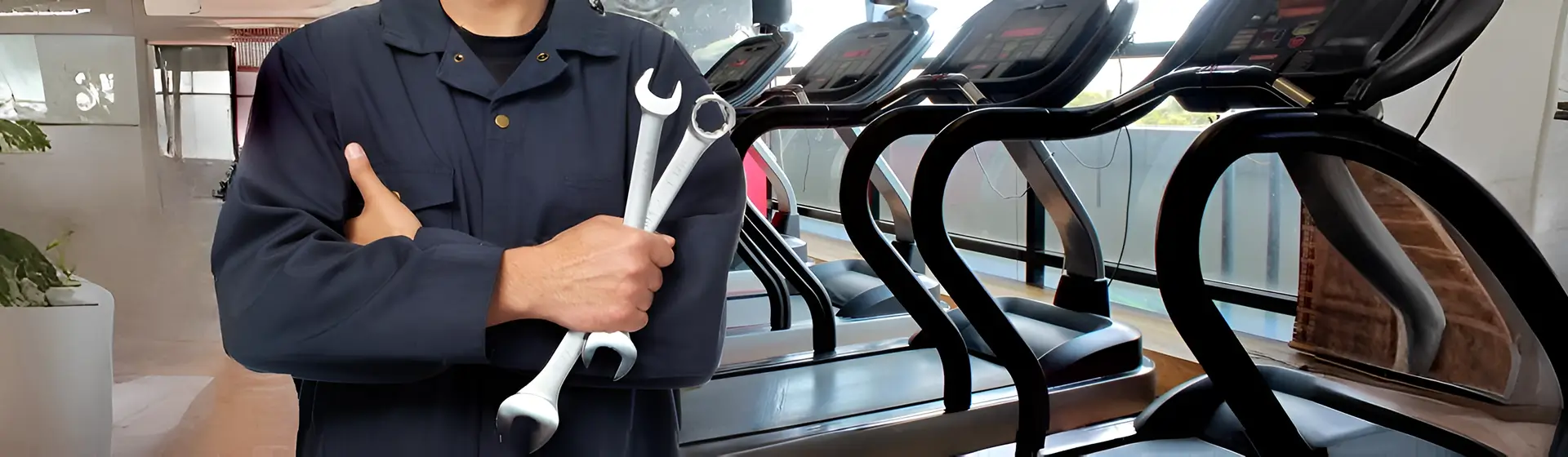
Fitness Equipment Relocation and Moving

On Site Fitness Service moves fitness equipment across Texas — between properties, between floors, or across a room during a refurbishment. Machines are broken down, moved and rebuilt to the manufacturer’s specification by the same technicians who repair them, with more than 30,000 service calls completed since 2007.

On Site Fitness Service across Texas

  • 2007moving Texas fitness equipment since
  • 30,000+service calls completed
  • 300+Texas cities serviced
  • 25commercial brands serviced

Commercial fitness equipment is not furniture. It is heavy, awkward, full of cables and calibrated components, and it does not survive being dragged onto a truck by a general moving crew. Rebuilt wrong, it either does not work or wears out early.

What a relocation involves

  • Survey first. Door widths, lift capacity, stairs, turning space and floor protection determine the whole job. This is where relocations go wrong, and it costs nothing to check in advance.
  • Controlled disassembly. Machines are broken down to the point they can be moved safely rather than the point somebody can lift them, with fixings kept with their machine.
  • Transport. Equipment is protected in transit — consoles, upholstery and chrome are what get damaged when equipment is moved loose.
  • Rebuild to specification. Reassembled by factory-trained technicians, leveled, and calibrated so incline, resistance and consoles read correctly.
  • Test and hand over. Every machine powered up and checked before we leave.

When facilities call us

  • Moving to a new building. The whole room goes at once, usually against a hard date, and sequencing matters more than anything else.
  • Refurbishment. Equipment moved out, stored or shuffled while flooring or decorating happens, then rebuilt in the new layout.
  • Reconfiguring a room. Cardio moved off a wall, strength repositioned, a studio converted. Often just a few pieces, which is still a job we will take.
  • Between properties in a portfolio. Moving under-used equipment from one community to another instead of buying new — frequently the cheapest way to solve a gap.
  • Floor changes. Getting equipment up or down a level, which is where door widths and lift capacity stop being a detail.

Why not a general moving company

Because the risk is not in the lifting, it is in the rebuild. A treadmill that is not leveled runs its belt off-centre and wears the deck early. A strength machine reassembled with cables wrongly routed or tensioned does not feel right and does not last. A console reconnected carelessly reads the wrong numbers.

We move equipment we also repair, so it is rebuilt by people who know how it fails. It also means anything already worn gets flagged while the machine is apart — a relocation is the cheapest moment there will ever be to replace a belt, a cable or tired upholstery, because the machine is already disassembled and a technician is already there.

Planning a move

Tell us where it is going, when it has to be done, and what the access looks like at both ends. Nothing starts without an approved quote for the property.

Call 800-730-5802 or request a quote. If equipment is leaving for good rather than moving, see equipment removal. For new equipment arriving, see installation.

Relocation FAQs

Can you move just a few machines rather than a whole room?

Yes. Repositioning a handful of pieces during a refurbishment or a room reconfiguration is routine, and there is no minimum job size. Most of our visits cover one or two machines anyway.

Why not use our regular moving company?

The risk is in the rebuild rather than the lifting. A treadmill that is not leveled wears its deck early, a strength machine with cables wrongly routed or tensioned never feels right, and a console reconnected carelessly reads wrong. We rebuild to the manufacturer’s specification because we are the people who repair the same equipment afterwards.

Can you move equipment between our properties?

Yes, and for portfolios it is often the cheapest way to fix a gap — moving under-used equipment from one community to another instead of buying new. It is quoted per property like any other work.

What do you need to know before quoting a move?

Where it is going, when it has to happen, and what access looks like at both ends: door widths, lifts and their capacity, stairs, turning space and floor protection. Those determine the job far more than the number of machines does.

Should we service equipment while it is being moved?

It is the cheapest opportunity you will get. The machine is already apart and a technician is already on site, so replacing a worn belt, a fraying cable or split upholstery then costs a fraction of a separate visit later.

Can you store equipment between the move out and the move in?

Tell us the dates when you call and we will work out the arrangement with you. Refurbishments frequently need equipment out for a period before it comes back, and that gap is worth planning rather than discovering on the day.