
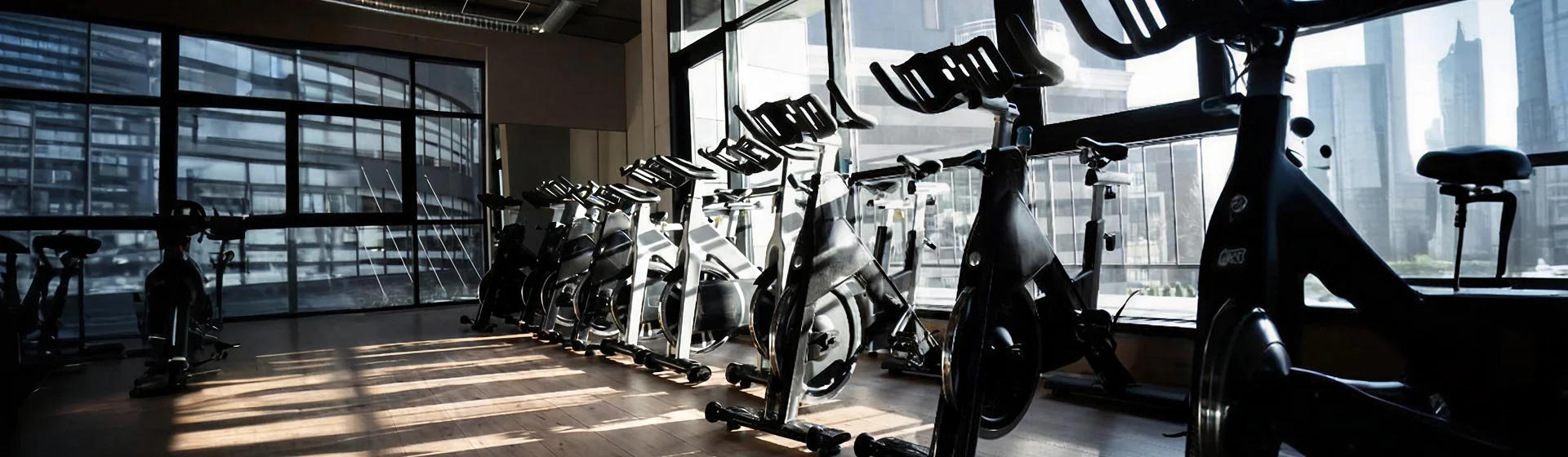
Hotel and Hospitality Fitness Center Service

On Site Fitness Service has maintained hotel fitness centres across Texas since 2007. Hotel gyms are small, unstaffed, open around the clock and reviewed publicly by guests — which makes a single out-of-order treadmill a more expensive problem here than in almost any other setting.

What this work usually looks like

A hotel fitness room usually holds a handful of machines and is open twenty-four hours with nobody watching it. Guests use equipment they are unfamiliar with, at any hour, and when something is broken they mention it in a review rather than at the desk.

With only three or four machines in the room, one out of service is a visible fraction of the amenity. Keeping every unit available matters more than it would on a club floor with thirty.

Equipment and brands we service

Hotel rooms are cardio-led — typically two or three treadmills, a bike or elliptical and a small strength setup or dumbbell rack. Brand mixes are often set by the flag standard, and we service all the major commercial lines those specify.

On Site Fitness Service has worked across Texas since 2007 and has completed more than 30,000 service calls in over 300 Texas cities. Our technicians are factory trained, so warranty labor is handled alongside ordinary repairs. Brands include Body Solid, Batca, SportsArt, SciFit, Icon, Echelon, Precor, Life Fitness, Matrix, Johnson Health Tech, Core Health & Fitness, StairMaster, Star Trac, Nautilus, Cybex, Technogym, Woodway, Octane, True Fitness, Hoist Fitness, FreeMotion, Inflight Fitness, Vision Fitness, Spirit Fitness and Concept2, among many others — this is a sample of the lines we see most, not the limit of what we service, so ask about anything not named here.

Preventive maintenance for hotels & hospitality

Brand standards frequently require a documented maintenance program, and a plan provides exactly that: scheduled inspection at a set interval, with a written record per visit. Pricing follows your machine count, which in a hotel room is usually small.

  • SilverInspect decks, belts, elevation systems, cables, pulleys, pins and frames for wear; adjust belts; lubricate visible pivot points and guide rods; keypad function tests; calibrate and test every unit for safe operation. No cleaning or waxing at this level.
  • GoldEverything in Silver, plus internal cleaning and vacuuming, treadmill deck waxing and upholstery cleaning — and fuller lubrication covering elevation systems, chains, gears, bushings and seat slides.
  • PlatinumA per-machine checklist by equipment type, adding exterior cleaning — hoods, frames, covers, chrome and flywheels — plus electrical and diagnostic checks: motor brushes, amp draw, error codes and usage hours.

See our maintenance programs or call 800-730-5802. Torn or tired pads can be recovered and reinstalled rather than replaced.

Why maintenance matters

Commercial fitness equipment is built to a published standard. ASTM F2276, the standard specification for fitness equipment, sets design and construction requirements for commercial machines and requires manufacturers to supply maintenance instructions alongside assembly and operating documentation. Those instructions are the baseline a maintenance plan is built on, and they are also what a manufacturer will point to if a warranty claim is questioned.

Equipment failures are not only a cost problem. The U.S. Consumer Product Safety Commission tracks emergency-department visits involving consumer products, including exercise equipment, through its National Electronic Injury Surveillance System, which is the federal source facilities and insurers reference on this subject. A frayed cable, a slipping belt or a worn deck is a safety issue before it is a repair bill.

A hotel fitness room is usually unstaffed and open around the clock, which puts the entire burden on inspection. ACSM’s Health/Fitness Facility Standards and Guidelines covers facility equipment and operating procedures and includes sample preventive maintenance schedules in its appendices, while ASTM F1749 specifies the safety signage and labels expected on equipment and in the room. With nobody on the floor to notice a fault or take a machine out of service, a scheduled visit and the record it leaves are the only things standing between a developing problem and the guest who finds it at 5am.

That is the practical case for a scheduled plan over reactive repair: it follows the manufacturer’s own maintenance schedule, it produces a written record of what was inspected and when, and it catches wear while it is still an adjustment rather than a replacement.

Where we do this work

We service hotels & hospitality across Texas, most heavily in the Dallas-Fort Worth, Houston, Austin and San Antonio metros but well beyond them too. See our Texas service areas for local detail, or call 800-730-5802.

Hotels & Hospitality FAQs

Our hotel gym is open 24 hours. When can you service it?

We schedule around your quietest window. Most hotel rooms hold only a few machines, so a full inspection is usually completed in a single short visit.

Do you provide maintenance records for brand standard compliance?

Yes. Each visit is documented — what was inspected, adjusted and replaced — which is normally what a flag standard asks for.

Can you service a small hotel fitness room?

Yes. Room size makes no difference to whether we will attend, and plans are priced on the number of machines you actually have.

A guest reported a machine is broken. How fast can it be back in use?

It depends on what has failed and what parts are needed, and we will be straight with you rather than quote a number we cannot hold. Nobody in this industry stocks every part for every model, so the first visit identifies the exact part so it is ordered once. Calling early is what shortens the timeline.

Which machines matter most in a hotel fitness room?

Treadmills, because they are what guests look for first and what fails first, and they are usually the machine an out-of-order sign ends up on. In a small room with only a few pieces, one treadmill down is a noticeable share of the amenity, which is why we take single-machine call-outs rather than requiring a whole-room visit.